Regular Trimming Reduces Weak Branches and Lowers the Risk of Storm Breakage
Regular trimming helps protect your home by removing weak or damaged branches before a storm hits. When trees are shaped and maintained the right way, they are less likely to snap, split, or fall during strong wind and heavy rain. In areas with seasonal storms, simple upkeep can lower the risk of roof damage, broken windows, and fallen limbs in your yard.
Why Prevention Matters
Storm damage often starts with small problems that go unnoticed. A dead branch may look harmless on a calm day. During a storm, that same branch can turn into a heavy projectile. Overgrown limbs can also scrape against shingles, loosen gutters, or crash onto cars.
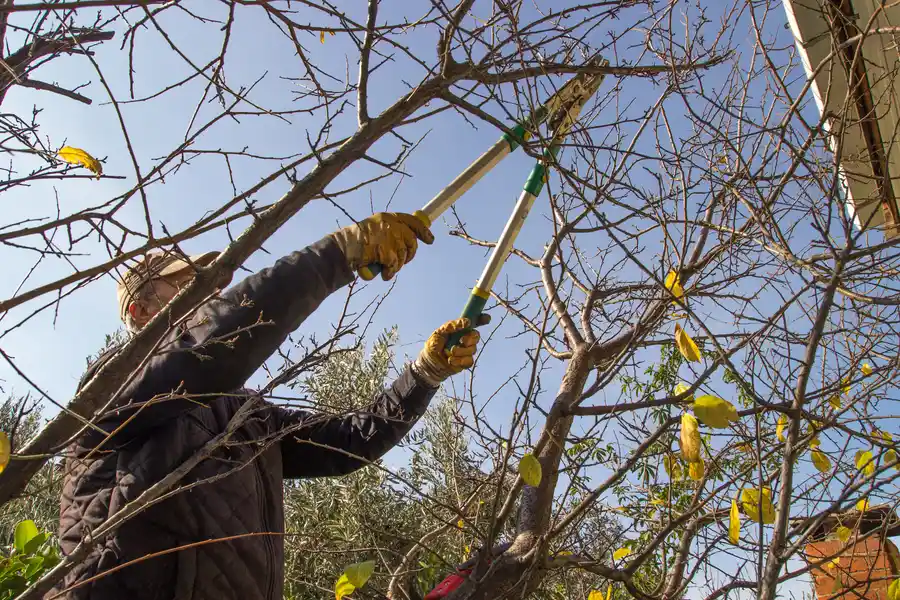
Preventive care keeps trees balanced and strong. A professional tree trimming service removes risky growth and improves tree structure. This makes it easier for wind to pass through the canopy instead of pushing against it like a wall.
Early Warning Signs
You do not have to be a tree expert to spot trouble. Many warning signs are easy to see from the ground.
- Dead or hanging branches
- Cracks in large limbs
- Branches touching your roof or siding
- Leaning trunks after heavy rain
- Thick canopy that blocks most sunlight
If you notice one or more of these issues, your trees may not be ready for the next big storm. Acting early can prevent costly repairs later.
Seasonal or Routine Checklist
Staying on a simple schedule makes prevention easier. Many homeowners plan trimming before storm season begins.
- Inspect trees at the start of spring and fall.
- Remove small dead branches right away.
- Trim limbs growing toward your house.
- Thin dense areas to improve airflow.
- Clear debris from the base of the trunk.
This type of routine care supports the overall health of your landscape. It also supports your broader tree care plan by helping roots and branches grow evenly.
Best Practices for Long-Term Results
Good trimming is not about cutting as much as possible. It is about cutting the right branches in the right way. Removing too much at once can stress a tree and make it weaker.
Focus on balance. Keep the canopy open but not bare. Maintain a strong central leader on young trees. Spread weight evenly across main limbs. A trained crew from a tree trimming service knows how to shape trees without harming their growth.
It also helps to choose the right time of year. Some species respond best to trimming during dormancy. Others need light maintenance after blooming. Proper timing reduces shock and supports faster healing.
What Not to Do
Mistakes during trimming can increase storm risk instead of reducing it. One common error is topping, which means cutting large branches back to stubs. This causes weak new shoots that break easily in high winds.
Another mistake is ignoring large cracks or split limbs. These problems rarely fix themselves. Waiting too long can lead to sudden failure during the next storm.
Climbing tall trees without proper gear also puts you at risk. Power lines, unstable branches, and slippery bark create serious hazards. Safety should always come first.
When to Schedule Professional Help
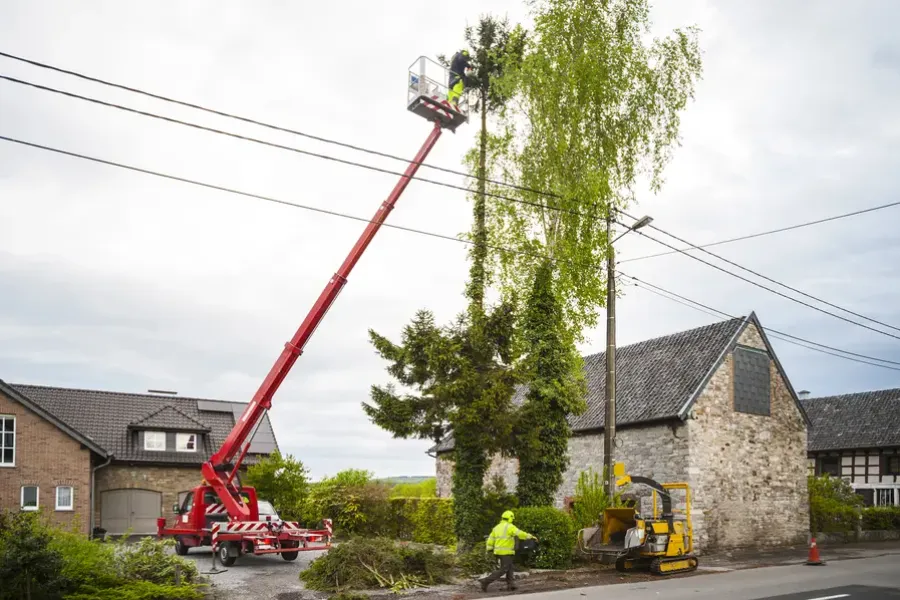
Small shrubs and young trees may be simple to manage. Large shade trees near your home are a different story. If branches hang over your roof or driveway, it is smart to call a professional tree trimming service.
Professionals have the tools to reach high limbs safely. They also know how to spot hidden decay or structural weakness. If a storm has already damaged a tree, quick action can prevent further problems.
Many homeowners schedule an inspection before peak storm months. This gives enough time to address risks before high winds arrive.
Protect Your Home Before the Next Storm
If you want help preparing your trees in Burlington, WA, our team at Tree Services by AC can provide a thorough evaluation and safe trimming plan. We use proven methods to lower storm risk while protecting the health of your landscape. Call us at (360) 531-7826 to schedule a visit and let us help you reduce the chance of costly storm damage.