Warning Clues Your Tree May Be Unsafe and Ready for Removal
A tree may need hazardous tree removal when it is dead, leaning, badly damaged, or dropping large limbs. Trees that show deep cracks in the trunk, exposed roots, or heavy decay can become unsafe fast. If a tree sits close to your home, driveway, or power lines, these problems can put people and property at risk. Spotting these signs early helps you act before a storm or strong wind makes things worse.
Common Symptoms of a Dangerous Tree
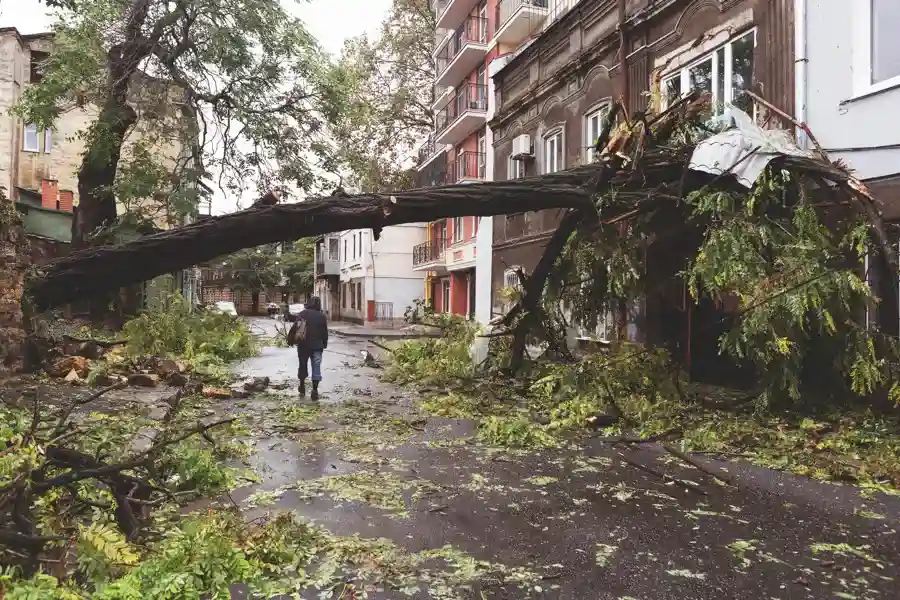
Many trees give clear warning signs before they fail. The key is knowing what to look for. Some issues show up slowly, while others appear after a storm.
- Large dead branches high in the canopy
- A trunk that is split or hollow
- Fungus or mushrooms growing at the base
- Tree leaning more than it used to
- Cracks in the soil around the roots
- Bark falling off in big sections
- No leaves during the growing season
If you notice more than one of these signs, the tree may no longer be stable. A healthy tree should have strong limbs, full leaves in season, and solid bark.
Likely Causes Behind These Problems
There are several reasons a tree becomes hazardous. Storm damage is a common cause. High winds can twist the trunk or break major branches. Heavy rain can loosen roots in soft soil.
Disease is another major factor. Rot can spread inside the trunk without clear outside damage at first. Insects also weaken trees by boring into the wood. Over time, the tree loses strength from the inside out.
Construction damage is also a problem. Cutting roots during driveway or sidewalk work can make a tree unstable. When roots are damaged, the tree may lean or fall.
What to Check First
If you think a tree might be unsafe, start with a simple ground check. You do not need to climb the tree. In fact, climbing can be dangerous.
- Stand back and look at the tree’s full shape. Is it leaning?
- Look at the base. Are roots lifting out of the soil?
- Check the trunk for deep cracks or soft spots.
- Look up for hanging or broken limbs.
- Notice any sudden leaf loss during spring or summer.
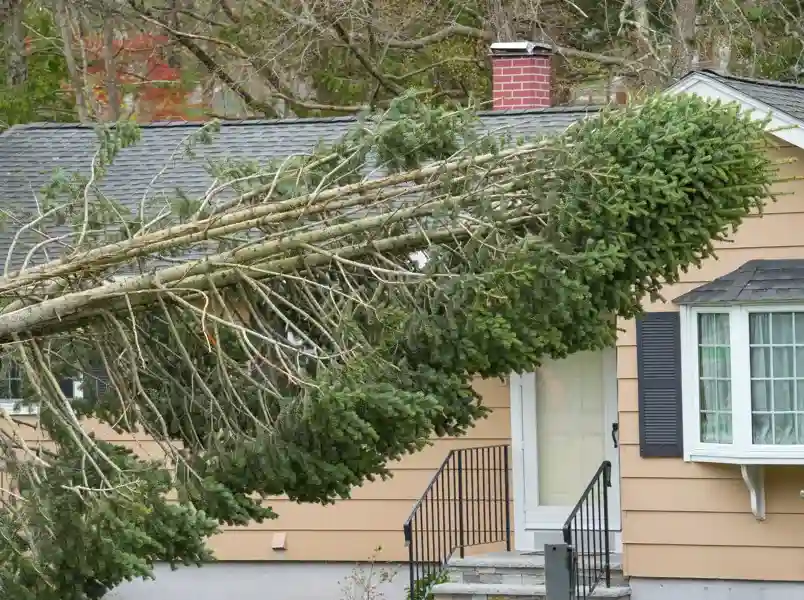
If the tree sits close to your house, garage, fence, or power lines, even small problems can be serious. Distance matters when judging risk.
Safe Fixes Vs Professional-Level Fixes
Some minor tree problems can be handled with simple trimming. Removing small dead branches from young trees is often safe with the right tools. Light pruning can improve tree health.
However, large trees with heavy limbs are a different matter. Removing thick branches high above the ground is not a simple yard task. Chainsaws, ladders, and falling wood create real danger.
Hazardous tree removal is often needed when:
- The tree is fully dead
- The trunk is hollow or badly rotted
- The tree is leaning toward a structure
- Major limbs are split or hanging
- Roots are failing or lifting from the ground
In these cases, full removal is usually safer than trying to save the tree. Large tree removal requires skill, planning, and special equipment.
Prevention Tips to Reduce Risk
You can lower the chance of needing hazardous tree removal by caring for your trees each year. Healthy trees are less likely to fail.
Have trees inspected after major storms. Trim weak branches before they grow too large. Keep an eye on soil around the roots. Water during dry months, but avoid overwatering.
Do not pile soil or mulch high against the trunk. This can trap moisture and lead to rot. Also, avoid cutting large roots during yard projects.
Early action often saves money and prevents damage. Waiting too long can lead to emergency removal after a tree falls.
Final Recommendation and Next Steps
If you see warning signs and feel unsure, it is smart to get expert help. We provide hazardous tree removal for property owners in Burlington, WA. At Tree Services by AC, we use safe methods and the right equipment to handle risky trees. We can check your tree, explain your options, and remove dangerous ones before they cause harm. Call (360) 531-7826 to schedule an evaluation and let us help protect your home and yard.